
 ...
...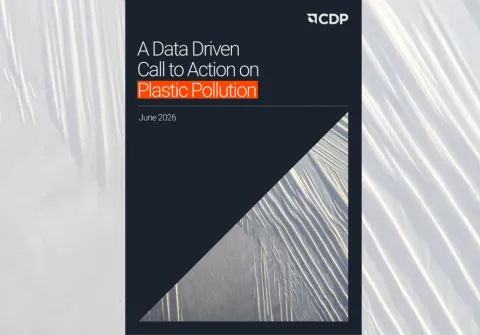
A new report by CDP reveals that companies are making significant progress in measuring, managing, and reporting their plastic-related impacts. According to the report, the number of companies disclosing plastic data through CDP has increased substantially over the past two years. Companies are also taking more action to set plastic-related targets, monitor plastic flows across their value chains, and identify risks associated with plastic use.
Since 2023, CDP has required companies to disclose plastic-related data as part of its corporate questionnaire. The plastic-related questions, developed with input from the Ellen MacArthur Foundation’s Global Commitment initiative, enable companies to assess their plastic-related impacts and risks more comprehensively.
While the report highlights growing corporate transparency on plastics, it also underscores the need for further progress to accelerate the transition to a circular economy.
Key Findings from the Report
Plastic Reporting Continues to Expand Rapidly
In 2025, the number of companies reporting plastic-related data through CDP reached a record 4,262. This represents a 44% increase compared to 2023, when plastics were first incorporated into CDP’s disclosure framework. The combined market capitalization of these companies reached USD 26.3 trillion, accounting for 18.3% of global market value. This development indicates that plastics are increasingly being recognized by companies as both a significant risk and opportunity area.
Policy Instruments Support Transparency
Reporting rates are higher in countries that have implemented Extended Producer Responsibility (EPR) policies. In South America, countries with EPR policies accounted for 96% of disclosures in 2025, up from 90% in 2023. This suggests that clear and consistent policy signals can help accelerate corporate transparency practices.
More Companies Are Setting Plastic Targets
In 2025, 77% of companies reported that they had established targets to reduce their plastic footprint or planned to do so within the next two years. This figure stood at 61% in 2023. The most common targets focus on plastic packaging, while targets related to microplastics remain less prevalent. At the same time, a significant number of companies have yet to establish targets, and improvements are still needed in terms of target quality and measurability.
Greater Visibility Across the Value Chain
The number of companies mapping plastic flows throughout their value chains increased from 1,233 in 2023 to 4,250 in 2025. This growth reflects efforts to better understand supply chain inputs, post-consumer impacts, and potential bottlenecks in recycling capacity.
Awareness of Plastic-Related Risks Is Increasing
In 2025, 44% of organizations reported identifying risks related to plastics, compared with just 13% in 2023. Risk awareness is particularly strong in regions with more advanced regulations and mandatory disclosure requirements.This finding once again highlights the importance of harmonizing policy frameworks and providing clear market expectations. More comprehensive corporate data on plastic impacts supports better decision-making by both investors and policymakers and serves as a key enabler of the transition toward a circular economy.
Companies in Türkiye are Beginning to Monitor Plastic Impacts More Closely
According to the CDP Türkiye 2025 Climate and Nature Report, companies in Türkiye are starting to take important steps toward improving plastic management. Fifty-four percent of companies have already mapped plastics across their value chains or are currently undertaking such mapping exercises, while an additional 18% plan to begin these efforts within the next two years. These developments demonstrate growing efforts to better understand plastic flows, usage patterns, and opportunities for circularity.
However, there is still room for improvement in integrating plastics into corporate strategies. The report shows that only 34% of companies have established plastic-related targets, while 65% report that they have not yet identified any plastic-related risks.The findings indicate that awareness of plastic-related issues and data collection efforts are increasing. Nevertheless, further progress is needed in risk management, target setting, and the strategic integration of plastic-related considerations into business operations.
For access to the full report, please click here.